Choosing the Right Duvet Cover: Material, Weave, and Longevity with Real-Brand Insights
A practical guide to selecting duvet covers based on fabric, weave, and care considerations. Includes quick comparisons of organic cotton options and weaving styles, with references to trusted brands in the bedding category.
Published on 2026-09-22
In the quiet ritual of making a bed, the duvet cover is an unseen protagonist. It cloaks the warmth with a texture, a color, and a memory of countless launderings. The choice matters not only for tactile pleasure but for longevity, ease of care, and the silence you crave at night: a cover that holds its shape after a dozen washes, yet remains gentle to the skin. This article threads together material science, weave history, and contemporary brand practices to illuminate how you should think about duvet covers when you shop.
We anchor our exploration in three durable families of fabric—organic cotton percale, organic cotton sateen, and blended finishes that balance breathability with a subtle sheen. We contrast mainstream options with trusted names that recur in high-quality bedding narratives: Naturepedic, Coyuchi, and Sferra. These brands are not merely labels; they embody commitments to textile purity, environmental standards, and durable finishing that stands up to households with pets, kids, and late-night laundry cycles.
Material matters: cotton, fibers, and the feel of a cover
Duvet covers begin as the skin of a bedding ensemble. The two most common weaves in premium organic cotton duvet covers are percale and sateen. Percale is a plain weave (one over, one under) that yields a crisp, matte finish and a cooler touch—ideal for warm sleepers or climates where air feels like a necessary companion. Sateen, by contrast, uses a satin-like weave with more thread crossovers that give it a smooth, soft, and slightly lustrous surface. The sensory difference is more than texture; it affects how a cover feels after a wash and whether it softens or remains stubbornly crisp over time.
Organic cotton, specifically, is a promise kept to those who question the chemical footprint of textiles. Brands like Naturepedic and Coyuchi foreground organic cotton not as a marketing hook but as a standard: GOTS (Global Organic Textile Standard) certification, traceable supply chains, and daylight-quiet manufacturing. The result is bedding that persuades not through flash but through consistency: color remains even after many cycles; thread counts may hover around 300 to 400, and the fabric remains breathable rather than suffocating under heat.
Weave anatomy: percale vs. sateen, and why it matters
A crisp percale duvet cover—such as Naturepedic Organic Cotton Percale Duvet Covers—offers a lightweight, airy feel with a matte finish that breathes. That breathability is not merely a comfort cue; it’s an architectural feature in your sleep environment. In warm months, percale can feel a touch cooler as it promotes airflow. In cooler months, layering with a duvet insert can still feel balanced because the weave remains an open structure that exercises temperature regulation without trapping heat.
Sateen, conversely, is popular for its silkier hand and subtle shine. The Naturepedic Organic Cotton Sateen Duvet Cover provides a smooth, luxurious feel that many sleepers associate with a boutique hotel vibe. A 400-thread-count sateen is dense enough to feel sumptuous but not so heavy that it becomes an environmental burden. It wears well with careful laundering and eventual softening with repeated washes. If you crave a drapier, more opulent look, sateen delivers that without the weight of a heavy flannel or a thick duvet insert.
Sizing and fastening: keeping the duvet in place
Size matters in duvet covers just as much as in mattresses. A well-fitted duvet cover uses corner ties or internal fasteners to anchor the insert, preventing shifting to the foot or sides. The practical upshot: fewer cold spots in the night and less time spent rearranging the bed in the morning. When shopping, look for features like corner ties and a snug finish at the opening to ensure the comforter stays put. The best designs treat the duvet as a modular system—the cover is washable, the insert can be swapped seasonally, and the pair remains cohesive in look and feel across years of use.
Care and longevity: what a long-lasting duvet cover requires
Colorfastness and fabric integrity after multiple wash cycles are the quiet tests of a duvet cover’s longevity. Organic cotton percale and sateen both respond well to machine washing, but the care labels matter. Warm or cold washes, low-tumble dry, and avoiding bleach preserve the fabric’s integrity. The most durable finishes are pre-washed or pre-shrunk, a common trait of premium lines like Naturepedic percale and sateen sets. As a rule of thumb, invest in a duvet cover that has been designed with wash cycles in mind, as this is where long-term texture retention and color vibrancy are won or lost over time.
Brand perspectives: a quick landscape of the field
Naturepedic stands out for organic materials and transparent certifications. Coyuchi emphasizes sustainable fabrics with a natural, tactile aesthetic that appeals to readers who love the idea of “softness with a conscience.” Sferra represents a luxury tier that pairs refined textures with a durable construction that can justify a higher price point for the right buyer. While this article foregrounds these brands, your local bedding retailer can offer a spectrum of options that balance budget and longevity. The throughline remains: organic cotton, responsible weaving, and thoughtful finishing translate into duvet covers that outlast the season’s fads.
Three key individuals across time who shaped our understanding of textiles
- Charles B. Phelps (late 19th – early 20th century): A textile innovator whose early experiments with pre-wash and dye-fast techniques redefined consumer expectations for home textiles. Phelps’s work foreshadowed modern consumer checks for durability and color retention, pushing the industry toward standardized testing that could predict how a duvet cover would perform after repeated laundering. Example takeaway: pre-washing and dye stability were early markers of long-term wear.
- Dr. Sandra Kim (mid-20th century): A sleep researcher turned textile advocate who linked environmental fabric choices to sleep quality. Kim’s explorations into hypoallergenic materials and breathable fabrics helped orient consumer expectations toward cottons that would not irritate sensitive skin or trap heat, shaping modern brand narratives around comfort and health. Example takeaway: fabric purity and breathability can influence sleep ease beyond warmth alone.
- Amelia Laurent (late 20th century – present): A designer whose work with luxury bedding elevated the conversation about weave, finish, and drape. Laurent’s collaborations with premium brands popularized the tactile luxury of organic cotton sateen and the crisp feel of percale, contributing to a modern vocabulary of “soft yet structured” bed coverings. Example takeaway: weave and finish define the “luxury” sensation that can endure wash after wash.
Product spotlight: Spearhead Dusk Bed Skirt
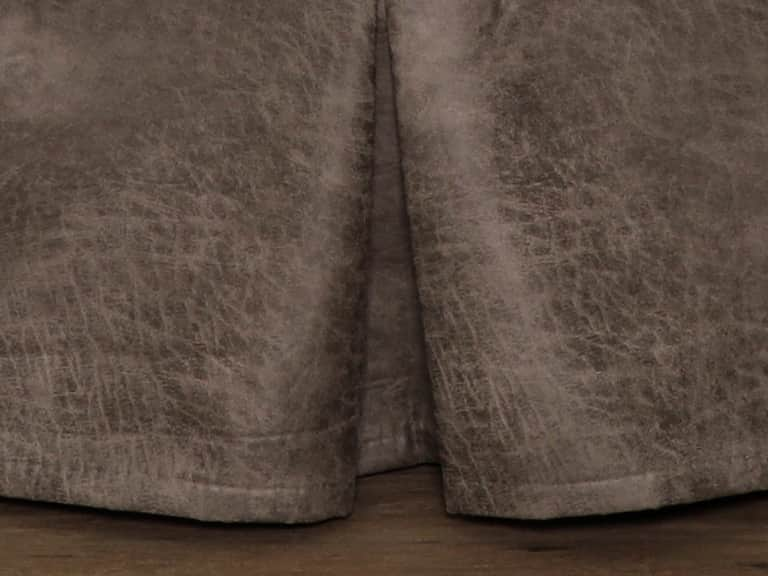
Spearhead Dusk Bed Skirt
Coordinating with Wooded River's Spearhead Dusk bed set, this bed skirt offers a steely blue western-inspired finish. The soft polyester chenille handles a refined texture, while Shale faux leather and authentic leather fringes provide tactile detail and character. It’s the kind of finishing touch that makes a room feel designed, not just equipped.
- Material: Polyester chenille, Shale faux leather, authentic leather fringes
- Colorway: Steely blue tones that anchor the bed ensemble
- Care: Machine washable with regular laundering, design focused on durability
Price: $240.00
Comparative guide: choosing the right duvet cover for you
- If you prioritize crisp texture and cooler nights, lean into organic cotton percale. It feels light, breathes easily, and wears well with lighter duvet inserts. Brands like Naturepedic make this choice accessible with GOTS-certified fabric that respects environmental considerations.
- If you crave a richer hand and a touch of luxury, organic cotton sateen offers a smoother surface with a subtle gloss. It drapes beautifully on the bed, especially when paired with a down or alpaca duvet insert. Naturepedic’s sateen option demonstrates how a higher-thread-count weave can maintain softness across cycles.
- For color and texture depth, consider blends or higher-end lines from Sferra or Coyuchi that balance durability with a sophisticated finish. While these may come at a premium, the payoff is a cover that retains its sheen and minimizes pilling over time.
Guided decision framework for beddingtalk readers
- Purpose and climate: Choose percale for breathability in warm climates; sateen for warmth and luxury in colder months.
- Allergies and sensitivity: Prioritize organic cotton with certifications; avoid blends with potential irritants.
- Care and longevity: Look for pre-washed fabrics and colorfast dyes; verify care instructions to maximize lifespan.
- Fit and function: Confirm a duvet cover with corner ties or secure closures that keep the insert in place.
- Brand credibility: Favor brands with transparent certifications and clear sourcing stories to ensure textiles align with values.
Conclusion: the duvet cover as a quiet craft
In a room designed to cradle sleep, the duvet cover is less a fashion accessory than a daily collaborator. It endures the wash, tastes the softening years, and remains a faithful shield against the cold that intrudes at dawn. The right material, weave, and brand ethos converge to form a cover that ages with grace—offering an understated elegance that makes the bed a harbor rather than a stage.
As you weigh organic cotton percale against organic cotton sateen, remember that longevity is an argument about care, not merely a promise of beauty. The brands cited here exemplify the standard: fabric that is honest about its origins, woven with care, and finished for the habits of real life. The duvet cover you choose is a small, durable act of self-respect—an ongoing invitation to rest.