Designing a Bedding System: Sheets, Duvets, and Covers
An optimal bedding environment starts with a holistic system rather than a single “perfect” item. Think of your bed as a moving ecosystem: the sheets wick moisture, the duvet inserts regulate warmth, and the covers finish the look while protecting the layers beneath. The synergy among these elements determines how comfortable you feel as you drift toward sleep and how seamlessly you transition through the night.
Breathability is the star of this system. Natural fibers such as organic cotton, linen, and wool excel at moisture management and temperature regulation. They drain heat when you’re warm and retain a subtle warmth when the room cools. The layering strategy matters just as much. A lightweight sheet set can pair with a cooler duvet insert on warm nights, while a heavier quilt or down duvet can be added as temperatures dip. The goal is not to lock in one temperature but to enable fine-tuned adjustments—quickly and quietly.
The modern bedding wardrobe isn’t a museum of rigid rules; it’s a practical toolkit. Start with breathable sheets as your base, add a duvet cover and a duvet insert that match the season, then layer with a cover or decorative piece that reflects your aesthetic. Secure fit is essential: a well-fitting fitted sheet prevents sheets from bunching, a securely fastened duvet cover keeps the insert in place, and a snug mattress encasement can protect against allergens without sacrificing comfort.
The heart of this system is adaptability. By choosing pieces that are easy to launder and resilient to frequent washing, you preserve hygiene and comfort without sacrificing softness. If allergies or sensitivities are a concern, select hypoallergenic fabrics and consider encasements that block dust mites and other irritants while staying breathable.
Product Spotlight: Crescent Moon Dust Mite Mattress Encasement
Crescent Moon Organic Dust Mite Mattress Encasement
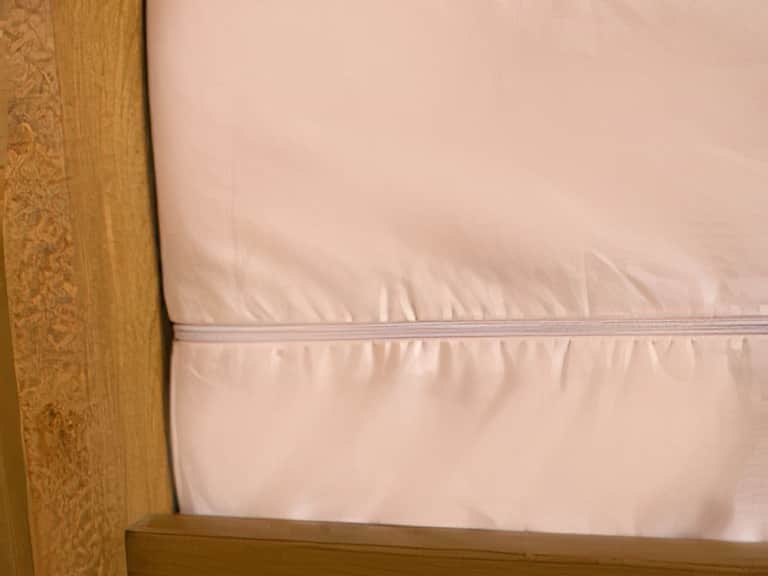
Protect Your Sleep with Crescent Moon's Organic Dust Mite Mattress Encasement. Breathable, hypoallergenic protection crafted from 100% organic cotton. Its fabric, rated at 260 thread count, features a 4.5-micron pore size to block dust mites while maintaining airflow.
- Material: 100% organic cotton for total breathability
- Fabric: 260 TC with a 4.5 micron pore size
- Certifications: SKAL and GOTS certified
- Design: Fully zippered encasement for complete mattress coverage
- Depth options: Twin XL and King depths available
- Price: 299.00
Note: Images are not displayed in this article, but the product’s specifications are highlighted above to help you compare materials and design features at a glance.
Care, Fit, and Fit-for-Season Function
A great night’s sleep is as much about upkeep as it is about the initial setup. Regular washing of sheets, duvet covers, and pillowcases helps prevent allergen buildup and maintains softness. Rotation of duvet inserts by season keeps warmth even and avoids crowding. A secure mattress encasement helps with allergy management, but it should be paired with breathable sheets to avoid moisture trapping.
Consider a seasonal checklist: for summer, you might favor lighter cotton sheets, a breathable duvet insert, and a light cover. For winter, switch to a warmer duvet insert and a heavier cover or quilt while ensuring the sheets remain of a breathable weave to pull moisture away from the body. The objective is to produce a stable sleeping temperature that your body can maintain without large swings, allowing you to fall asleep faster and stay asleep longer.
Breathable Materials and Layering Strategies
Breathability is the backbone of sleep comfort. When fabrics breathe, they wick moisture away from your skin, preventing that clammy feeling that can disrupt sleep. Organic cotton, linen, and wool each carry unique strengths, and combining them in a thoughtfully layered setup yields lasting comfort.
- Organic cotton: Known for softness, durability, and washability. A high-quality organic cotton percale or sateen sheet set provides a crisp feel and balanced warmth.
- Linen: Naturally breathable and temperature-regulating. Linen sheets and coverings offer a relaxed texture and excellent airflow, perfect for warmer nights or sleepers who overheat.
- Wool: Regulates temperature and wicks moisture. Wool-based comforters and blankets bring warmth without a suffocating feel and can be excellent in cooler months when layered correctly.
Layering technique matters. A practical approach is to begin with a breathable top sheet and a fitted sheet of matching fiber families, then add a duvet insert that aligns with the season. A duvet cover not only protects the insert but also helps regulate temperature by allowing airflow through the outer fabric. Decorative accents such as a natural fiber bedcover or light throw can provide insulation for cooler nights without altering the core layering system.
Seasonal In Practice: A Simple Five-Liber System
- Base Layer: Breathable sheets in organic cotton or linen (percale or plain weave).
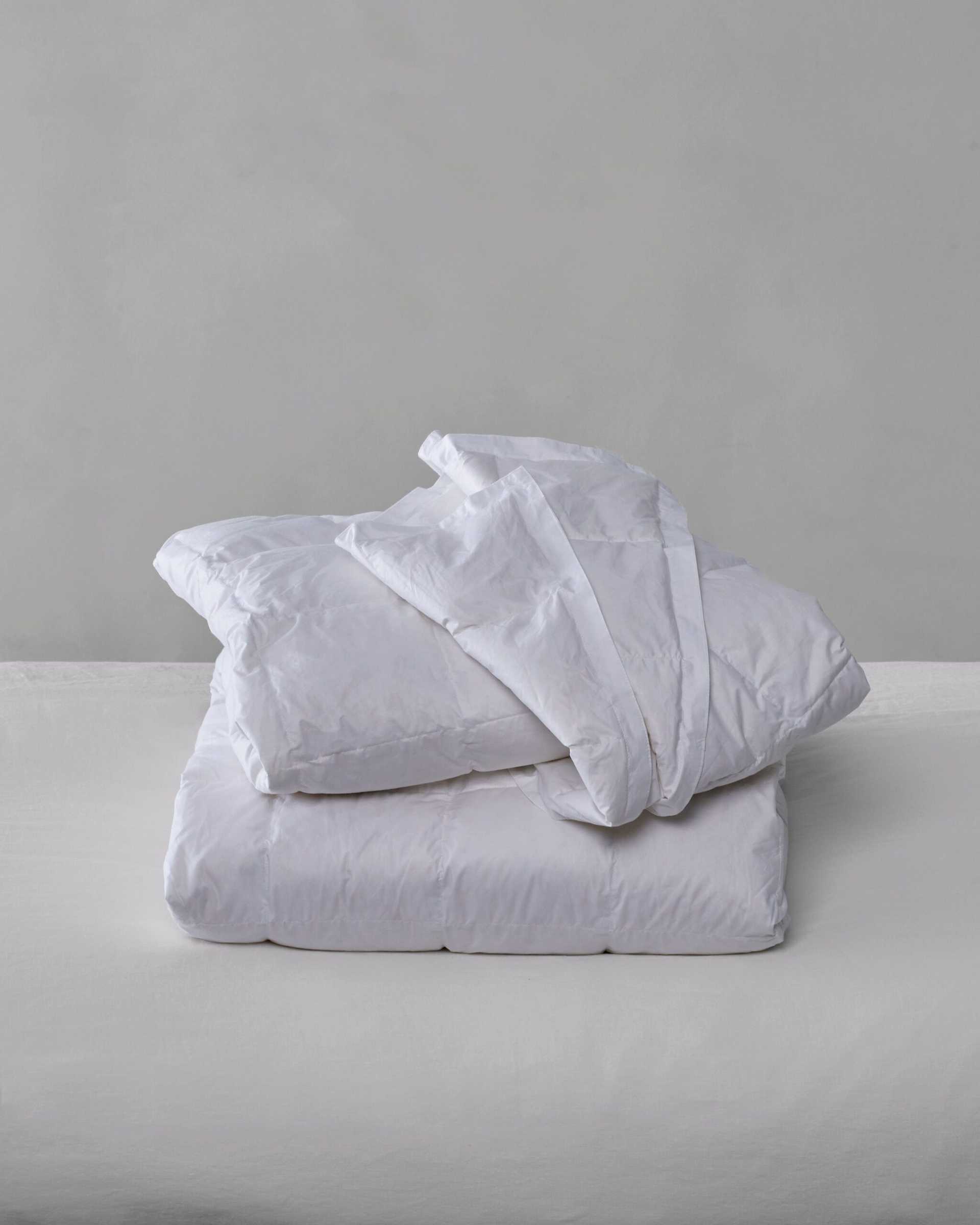
- Middle Layer: A duvet insert appropriate for season; consider light down or wool options for warmth management.
- Outer Layer: A duvet cover or a breathable bedcover that protects the inserts and adds texture and style.
- Support Layers: Optional decorative pillows and a silk or cotton-blend blanket for added comfort on shoulder-night stretches.
- Protective Layer: Mattress encasement to guard against allergens while maintaining airflow.
By coordinating fabrics and weights, you can customize warmth and comfort for any season without a full bed remodel. Think of it as a wardrobe for your bed: you mix and match fabrics and weights to suit the climate, your sleep patterns, and your personal preferences.
Time-Traveling Sleep Mentors: Lessons in Comfort Across Eras
Great sleep wisdom isn’t confined to one era. Across time, influential minds and storytellers have offered perspectives on rest, comfort, and the rituals that accompany a good night’s sleep. Here are four key figures from different time periods whose ideas resonate with modern bedding design.
Hypnos (Ancient Mythology, Ancient Times)
In ancient stories, Hypnos—the god of sleep—embodied the essential human need for rest. While not a scientist by today’s standards, Hypnos represents the timeless truth that sleep is a sacred rhythm, not a luxury. The mythic lens reminds us that the environment around sleep matters: a tranquil space, a comfortable resting surface, and rituals that calm the mind are as important as any scientific intervention. In design terms, this translates to a bed environment that minimizes disruption, uses natural materials, and fosters a sense of sanctuary. The idea is simple: a space that invites a natural, gentle descent into sleep.
Hippocrates (Ancient Greece)
The father of medicine, Hippocrates, emphasized balance, harmony, and the body’s needs. While he didn’t prescribe modern textiles, his approach to health—minimal distractions, clean environments, and attention to the body’s rhythms—maps cleanly onto today’s bedding philosophy. From the perspective of bedding design, Hippocratic simplicity translates into choosing fabrics that are breathable and non-irritating, keeping a bedroom free of excess moisture, and ensuring that sleep aids are unobtrusive and supportive rather than ostentatious.
Sigmund Freud (Late 19th to Early 20th Century)
Freud’s explorations of dreams brought attention to the mind’s nightly activity. While his theories are often debated, the timeless takeaway for bedding is the acknowledgment that sleep is a gateway to mental processing and emotional restoration. A comfortable bed, along with conditions that reduce cognitive arousal (gentle lighting, quiet ambience, and a tactile, soothing bed surface), supports the dream cycle and helps the mind achieve a restful atmosphere.
Dr. Matthew Walker (Contemporary Sleep Scientist)
Dr. Matthew Walker, a prominent sleep scientist, emphasizes the importance of sleep stages and temperature regulation. His work underscores how the physical environment—temperature, airflow, and fabric breathability—can influence sleep efficiency. For bedding design, this means prioritizing materials that breathe, controlling room temperature to steer sleep cycles, and using layering strategies that adapt to changing needs through the night.
Maintenance, Routine, and Longevity
A long-lasting bedding setup isn’t just about premium materials; it’s about consistent care. Regular washing of sheets and duvet covers keeps surfaces clean and comfortable. Rotating seasonal sets helps distribute wear evenly, ensuring fabrics retain their texture and integrity. A few practical routines can extend the lifespan of your bedding and preserve sleep quality:
- Follow the manufacturer’s care instructions for each fabric. Natural fibers often respond well to warm or cool cycles with mild detergents, avoiding harsh chemicals that can degrade fibers.
- Rotate duvet inserts and covers seasonally to maintain warmth balance and prevent uneven wear in the duvet pockets.
- Keep a spare set of breathable sheets for easy rotation. This reduces the frequency of laundering while maintaining hygiene.
- Invest in a high-quality mattress encasement to protect against allergens and dust mites while maintaining airflow.
- Inspect and adjust your bedding layout if you notice discomfort cues such as overheating, moisture buildup, or shifting sheets.
A curated care routine doesn’t just extend textile life; it preserves the bed’s ability to cue sleep. When your bedding remains clean, balanced, and well-fitted, your body chemistry can better register the signals needed to unwind, drift off, and maintain a steady sleep cycle.