Optimizing Your Bedding Environment for Restful Sleep
A well-structured bedding environment can transform how you wake up, how you feel during the day, and how deeply you drift into those precious hours of rest. This primer blends practical layering, smart fabric choices, and protective measures to help you tailor your sleep space for comfort, temperature control, and moisture management—no matter the season.
In a world that moves quickly, sleep is often the first thing we pinch. Yet sleep quality is a superpower: it influences mood, focus, immune health, and overall performance. The goal here is not to chase a perfect, one-size-fits-all system, but to give you a flexible framework you can adapt as your climate, schedule, and comfort preferences change. Think of your bed as a personalized environment—a sanctuary that responds to your body, the weather outside, and your evolving health goals.
A Simple Framework for a Better Bed
To begin, adopt a straightforward framework you can test and refine over a few weeks. It rests on three pillars: protection, performance fabrics, and layering strategy. Each pillar interacts with the others to shape temperature, humidity, and overall comfort through the night.
- Start with mattress protection that preserves cleanliness, while allowing for breathability. Choose encasements or covers that block dust mites and allergens without producing heat buildup. A breathable barrier helps you sleep cooler and wake less congested.
- Performance fabrics: Favor natural fibers—organic cotton, linen, wool—when possible. These fabrics tend to breathe, wick moisture, and help regulate temperature, reducing the microclimate fluctuations that wake you up.
- Layering strategy: Layer your bed in a way that can be added or removed as seasons shift. Begin with a lightweight foundation, then stack warmth in layers that can be adjusted without disturbing your sleep.
Understanding Temperature, Humidity, and Sleep Comfort
Temperature regulation is a core driver of sleep depth. The body’s core temperature drops in the evening as part of the natural circadian rhythm, signaling the brain to transition toward sleep. If your sleep surface traps heat or moisture, your body’s cooling signal can be muffled, leading to restlessness and awakenings. Natural fibers—cotton, linen, wool—offer better breathability and moisture management than many synthetic materials, supporting a stable microclimate throughout the night.
Humidity also matters. Too much moisture can leave you feeling clammy or lead to night sweats, while too little humidity can cause dry skin and irritated airways. A breathable mattress protector becomes a first defense against moisture intrusion, while layered coverings help you tailor warmth without overheating. Seasonal adjustments matter too. In warm months, a cooler duvet insert or breathable top layer can prevent overheating; in colder months, a well-insulated top layer and a wool-based interior help maintain warmth without creating a sweltering cave of blankets.
Protective Foundation: The Role of Mattress Encasements
A clean, well-protected mattress forms the base of a restful sleep environment. Dust mites, allergens, and moisture can quietly disrupt sleep quality if the bed isn’t shielded. An encasement that is breathable, organic, and tightly woven creates a protective buffer that aligns with your commitment to a healthier sleep space. Look for encasements that:
- Are made from natural fibers like organic cotton for breathability
- Provide a tight weave to block mites and irritants without trapping heat
- Feature a full-coverage zipper and a fabric that stands up to washing
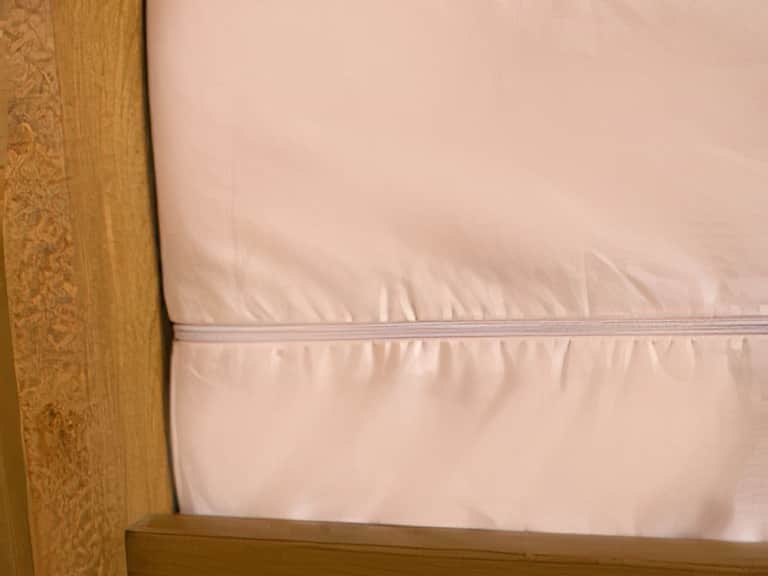
A standout option in this category is the Crescent Moon Organic Dust Mite Mattress Encasement. This product is crafted from 100% organic cotton with a tightly woven 260-thread-count fabric and a 4.5-micron pore size, designed to block dust mites while remaining breathable. It’s SKAL and GOTS certified, aligning with eco-conscious and health-minded standards. While a cover alone isn’t a cure-all for sleep disturbances, it can dramatically reduce allergen exposure and create a calmer, more predictable sleeping environment.
Safeguarding your bed with a quality encasement is a practical, observable improvement that doesn’t require a full overhaul of your sleep routine. It also pairs well with other protective measures, such as hypoallergenic pillow covers and mattress toppers, to ensure you enter each night with confidence in the cleanliness and comfort of your sleep space.
Fabrics That Help You Breathe: Choosing the Right Layers
The fabric you choose for your sheets, duvet covers, and top layers matters as much as the layer count. Natural fibers such as organic cotton and linen foster airflow, while wool has exceptional temperature-regulating properties and can wick moisture away from the body. The weave also plays a role. Percale and sateen finishes offer different feels and moisture-handling characteristics; percale is crisp and breathable, while sateen feels smoother and warmer. For hot sleepers, the emphasis should be on breathability and moisture management; for cold sleepers, warmth and insulation become more central, with minimal risk of overheating when layered thoughtfully.
Layering is where real customization happens. Start with a breathable sheet set, add a duvet cover in a fabric you love, then consider a duvet insert or top layer that matches the season. When the night air dips, you can add a wool or down alternative insert, or simply switch to a warmer duvet while keeping the same breathable base. The point is to avoid a single heavy layer that traps heat, and instead assemble a balanced system that can be tuned night by night.
Seasonal Shifts: Adapting Your Bedding for Warm and Cool Months
Seasonality invites a practical exercise in layering. In warmer months, aim for lighter top layers and natural fibers that promote airflow. In winter, you still want breathable foundations, but you’ll likely add a warmer top layer or a wool-filled insert that traps warmth without creating a heavy, suffocating microclimate. A simple trick: keep a lightweight cotton or linen duvet cover on top during warm nights, and keep a wool or down-weight duvet in reserve for cooler evenings. The right strategy is not to over-commit to one climate—it's to craft a versatile system you can adjust with a routine you won’t mind keeping for weeks at a time.
Three Voices from Different Time Periods: How Sleep Wisdom Transcends Eras
Hypnos of Ancient Myth and the Sacred Quiet of Night
In ancient tales, Hypnos was the god of sleep, a reminder that sleep has long been valued as a sanctuary for the body and mind. His realm was a quiet space where the world slowed, and dreams could gather like delicate threads. Translating that mythic tenderness into modern life means acknowledging sleep’s ritual dimension: darkness, stillness, and a retreat from the buzzing world. In practical terms, that translates to a room-darkening strategy, a comfortable bed that invites surrender rather than resistance, and a bedding system that feels soothing rather than stimulating as you drift toward rest. The Hypnos lens invites you to consider how your environment communicates safety and calm—whether that’s through a breathable encasement that guards against irritants, or through fabrics that feel soft and unhurried against the skin.
Florence Nightingale and the Hygiene of Slumber
Florence Nightingale revolutionized hospital design and patient care through attention to cleanliness, ventilation, and patient comfort. Her legacy is a reminder that clean sheets, fresh air, and well-ordered sleep spaces profoundly influence rest and recovery. Translate Nightingale’s ethos into your bedroom by curating bedding that’s easy to wash, free of harsh chemicals, and made with natural fibers that breathe. Routine washing, dust-mite protection, and a thoughtfully cleaned sleep environment can reduce irritants that wake you during the night. In essence, Nightingale’s influence urges us to treat the bed not merely as furniture, but as a frontline ally in health and well-being.
Matthew Walker and the Science of Sleep in the Age of Data
Matthew Walker, a renowned sleep scientist, has unpacked how circadian rhythms, temperature, and brain chemistry shape how we sleep. His work underscores the practical importance of environmental cues—light exposure, room temperature, and moisture—in optimizing sleep. In concrete terms, Walker’s lens supports the idea that a bed’s microclimate should harmonize with your body’s natural rhythms. Temperature regulation, in particular, becomes a central feature of a well-designed bedding system. If your room and bed work with your circadian signals, you’ll likely experience fewer awakenings and deeper sleep stages. Integrating Walker’s science means embracing a bedding system that supports sustained sleep duration, not just instant comfort at the start of the night.
Product Spotlight: Crescent Moon Dust Mite Mattress Encasement
Among the practical tools for a healthier sleep environment, a high-quality mattress encasement can act as a quiet workhorse—not flashy, but essential. The Crescent Moon Dust Mite Mattress Encasement is a standout choice in this space. Here’s why it matters:
- Material: 100% organic cotton for total breathability.
- Weave and protection: A 260-thread-count fabric with a 4.5-micron pore size helps block dust mites and other irritants.
- Certifications: SKAL and GOTS certified, aligning with health- and eco-conscious standards.
- Design: Fully zippered encasement that covers the entire mattress to minimize allergen transfer.
- Practicality: Durable for regular washing and long-term use, helping you maintain a clean sleep surface.
In real terms, this encasement supports the sleep environment by reducing allergen exposure while preserving the bed’s breathability. It’s a sensible investment for anyone who wants a healthier baseline from which to layer more comfort items. If you’re considering the Crescent Moon encasement, pair it with a breathable duvet cover and a light, washable wool or cotton top layer to cultivate a seasonally flexible climate for your body. It’s a down-to-earth upgrade that doesn’t disrupt your existing bedding aesthetic but elevates the quality of your nightly reset.
A Practical Product You Can Add Today
If you’re ready to start applying these ideas, here’s a simple, actionable setup you can implement this week. It centers on protection, breathable fabric choices, and a layered approach that makes seasonal changes effortless.
- Durable protection: Add a Crescent Moon Organic Dust Mite Mattress Encasement to your mattress to reduce allergen exposure and support a cleaner sleep surface.
- Breathable basics: Swap in organic cotton or linen sheet sets and a duvet cover that emphasize breathability and easy care.
- Seasonal layering: Introduce a light duvet or wool top layer for shoulder-season nights, and have a warmer insert ready for winter without overloading the bed.
- Maintenance rhythm: Create a simple weekly routine for airing the room, washing covers, and refreshing the space to keep it inviting and clean.
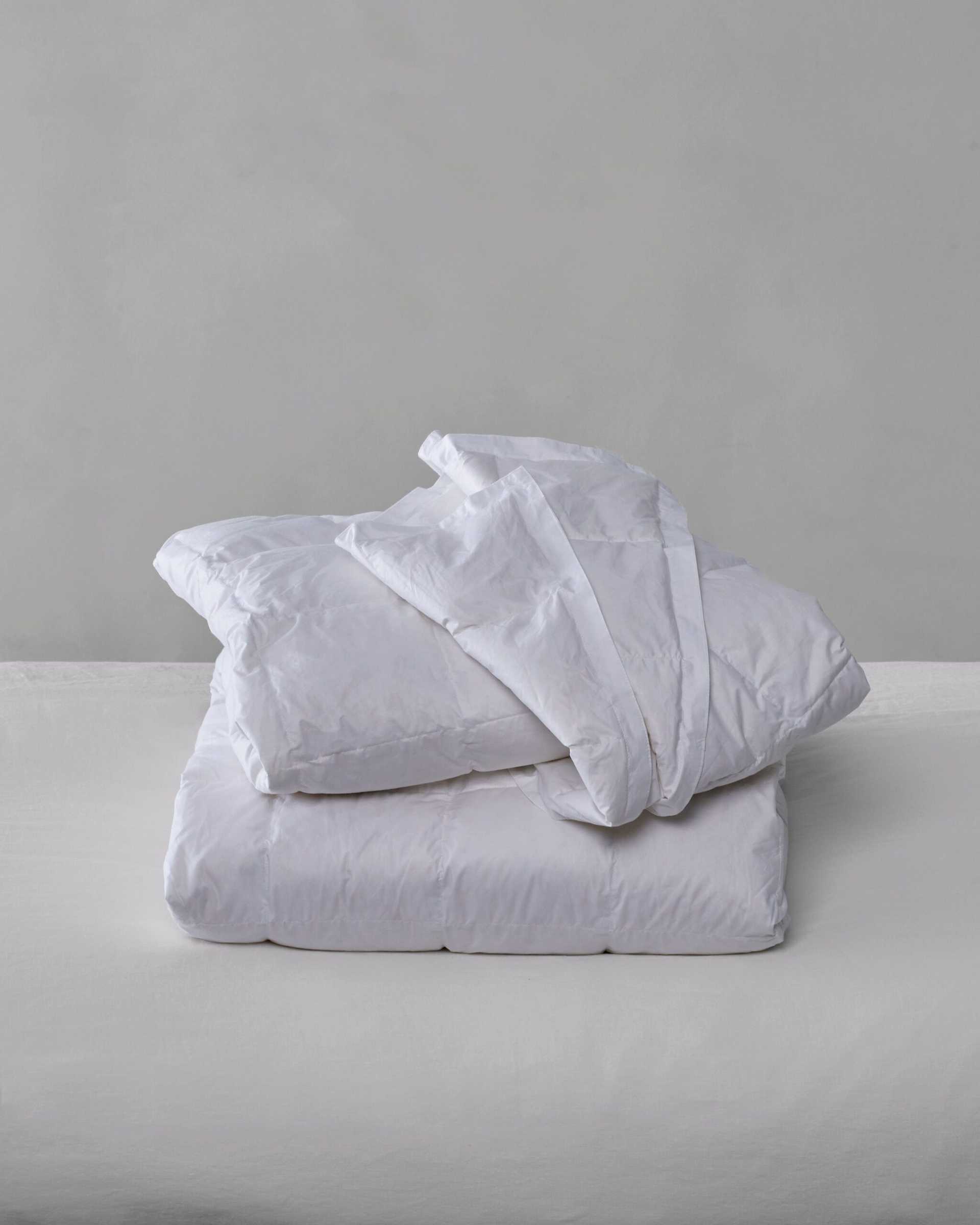
If you’d like to explore a more luxurious or performance-driven option, consider a duvet filling like the Duvet Filling Light from Society Limonta. It’s a lightweight, breathable option that can be layered with a comfortable pillow and a breathable sheet set, letting you tailor warmth to your needs without sacrificing airflow. The combination of a lightweight duvet with a breathable encasement and natural fabrics can be a revelation for anyone who tends to overheat at night or wake with night sweats.
As you test these changes, give your body time to adjust. Sleep improvements rarely arrive in a single night. Track how you feel, how you wake, and whether you’re prone to tossing and turning. In a typical adjustment window, most people notice meaningful changes within two to four weeks, as circadian cues and the bed’s microclimate align with new routines.
Editorial Notes: Personal Stories and Sleep Habits Across Eras
A sleep environment isn’t just about comfort—it’s a personal narrative that evolves with you. By drawing on the ideas of individuals from different eras, we can appreciate how attitudes toward sleep, hygiene, and environmental design have shifted—and how those shifts can inform practical decisions today.
From mythical reverence for the night to surgical precision in hospital wards, and finally to the data-driven, circadian-aware advice of contemporary sleep science, the arc is clear: sleep is central to human well-being, and we can shape it with intention. The bedding choices you make tonight are stepping stones toward more restorative nights tomorrow. Your bed can be a sanctuary, not a source of nightly stress, if you approach it with curiosity and a few strategic upgrades.
A Quick, Actionable Checklist
- Assess your sleep climate: Are you waking hot or cold? Do you notice dryness or dampness in the night?
- Start with protection: Add a breathable mattress encasement like Crescent Moon Dust Mite Mattress Encasement to reduce allergens and improve comfort.
- Choose fabrics wisely: Prefer organic cotton, linen, or wool for sheets and top layers to support air circulation and moisture management.
- Layer for flexibility: Build a seasonal system with a lighter duvet or blanket, and a warmer option you can add when needed.
- Test and iterate: Try a combination for two to four weeks, then adjust based on how you feel in the morning and throughout the day.
This approach is not about chasing perfection; it’s about creating a bed that works with your biology and lifestyle. In the end, restful sleep is a practical, daily choice you can shape with intention—and the right bedding environment is the canvas on which that sleep story unfolds.
Note: Product details reflect current listings and are provided to illustrate practical application within this guide. Prices and availability may vary by retailer.