A mattress topper adds a layer of comfort and support to an existing mattress, influencing sleep quality without requiring a new bed. Materials like memory foam, latex, and featherbeds each offer distinct feel and contouring properties. Understanding firmness, breathability, and responsiveness helps readers choose a topper that aligns with preferred sleep posture and temperature needs.
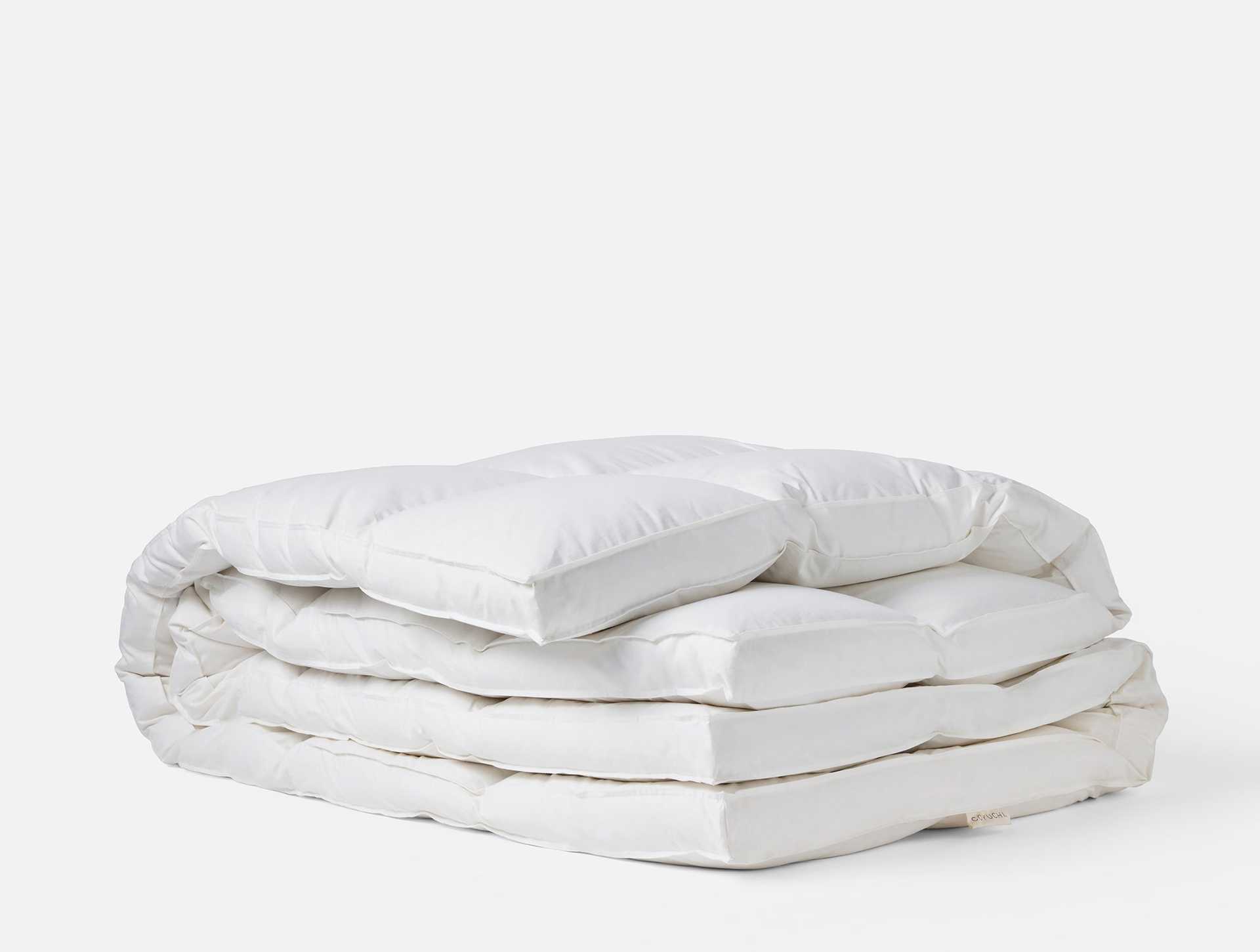
Down featherbeds, a subtype of mattress toppers, provide plush loft and a gentle cradle for the body. They typically use a high fill power down that compresses slowly under weight, delivering buoyant support while maintaining a soft touch. Properly encased, featherbeds resist feather migration and maintain a consistent surface over time.
Key features to evaluate include loft height, fill power, and shell construction. Higher loft can enhance cushioning for side sleepers, while breathable shells improve temperature regulation. In featherbed designs, a quilted or gusseted cover can influence durability and prevent shifting, contributing to a more stable sleep surface across seasons.
Functional benefits of a mattress topper extend to pressure relief, motion isolation, and allergy considerations. A well-chosen topper can relieve common hotspots at the shoulders, hips, and lower back, distributing weight more evenly. For pet owners and households with linens, selecting hypoallergenic, washable covers can simplify maintenance and hygiene.
In the broader bedding context, toppers complement other sleep essentials such as duvets, comforters, and bedding layers. Understanding how a topper interacts with existing mattresses and sleep accessories helps clarify its role in long-term comfort, temperature control, and overall sleep ergonomics for diverse sleeping styles and room environments.
 Bedding