Sleep Environment
Bed Covers by Season: How Weight and Weave Shape Sleep Comfort
A bed cover is more than the final flourish in a neatly made bed. Its weight, weave, and place in a larger arrangement can change how warm, cool, or enclosed a bed feels. Understanding those qualities makes seasonal adjustments less mysterious—and less dependent on buying a new set of everything each time the weather turns.
The quiet work of a bed cover
At night, bedding becomes a small climate system. Sheets sit close to the skin; blankets and comforters hold or release warmth; the room itself contributes its temperature, humidity, and air movement. A bed cover may be the lightest layer in that system or the heaviest, depending on its construction. It can serve as a breathable top sheet on a mild evening, add a little insulation over a duvet, or offer a decorative layer that is folded back when it is time to sleep.
The word cover is usefully broad. It may refer to a lightweight cotton bedcover, a quilt, a coverlet, a duvet cover, or even the insulating insert beneath one. These objects are not interchangeable. A duvet cover is a washable casing for an insert; a quilt usually combines a top fabric, a filling, and stitched layers; a bedcover may be a single fabric layer designed to lie over the bed. The name alone does not tell you how warm an item will feel. Fiber, weave, thickness, finish, and the layers underneath all matter.
That is why the most reliable seasonal bedding strategy begins not with a calendar but with observation. Does the room stay warm after sunset? Do you wake feeling overheated, or pull the covers higher before morning? Is your mattress already warm or cool to the touch? The answers reveal more about the right cover than a label such as “all-season” ever can.
Weight is a clue, not a verdict
Fabric weight describes how much material is present in a given area, commonly expressed in grams per square metre. It can help compare textiles, but it is not a direct measure of warmth. A heavier fabric may feel substantial because its yarns are dense or its surface is textured; a lighter textile may still retain heat if it is tightly woven or used in several layers. Filling, loft, and the size of the air pockets between fibers also influence insulation.
In general, a lightweight cover is easier to drape and less likely to feel enclosing. It may suit warm bedrooms, sleepers who run hot, or anyone who wants a little coverage without the insulation of a thick comforter. A heavier cover can feel more substantial and may help retain warmth in a cool room. Yet weight is partly a matter of sensation: some people find a substantial layer reassuring, while others experience the same fabric as restrictive or too warm.
There is also an important distinction between warmth and weight. A cover can be light but insulating if its structure traps air effectively. Conversely, a dense fabric may have a satisfyingly weighty hand without being the warmest option available. When product details provide a fabric weight, treat it as one piece of information alongside the fiber content, construction, and intended use.
For example, a 100% cotton waffle bedcover described at 380 grams per square metre has a different feel from a thin, flat cotton sheet. Its three-dimensional texture adds substance and creates small pockets within the weave. That does not make it a substitute for every winter comforter, but it may offer a useful middle layer when a sheet alone feels too slight and a thick duvet feels excessive.
What weave changes
Weave is the way yarns cross to form cloth. It affects texture, drape, durability, and how readily air moves through the fabric. The same fiber can behave quite differently when woven in different ways, which is why “cotton” does not describe a single sleep experience.
Percale: crisp and comparatively open
Percale uses a simple, balanced weave, often described as one yarn over and one yarn under. It tends to produce a matte surface with a crisp hand. Because percale bedding is often made at a relatively light weight, many people choose it for a fresh, less-clingy feel. The word “often” matters: yarn quality, density, finishing, and laundering all influence the finished cloth. Percale is not automatically cool in every room, but it can be a sensible option for those who prefer breathable bedding and a clean, dry texture.
Its crispness may soften with washing, depending on the fabric and care. Someone who likes a smooth, polished surface may appreciate that evolution; someone who prefers a silky feel might find the initial texture too plain. Touch is individual, and a weave description is only a guide to what the hand may encounter.
Sateen: smoothness and a gentle drape
Sateen uses a different arrangement of yarns that places more thread across the surface. The result is usually smoother and may have a subtle sheen. It can feel soft and fluid against the skin, and its drape gives bedding a more enveloping appearance. That smoothness does not necessarily mean excessive warmth, but a sateen cover may feel less crisp and airy than percale to a person sensitive to surface texture or heat.
Thread count is frequently used to suggest quality, but it is not a complete account of performance. Fiber length, yarn quality, weave, finishing, and construction can matter as much as the number printed on a label. A high thread count alone cannot guarantee that a cover will feel cooler, last longer, or suit a particular sleeper.
Waffle: texture with small spaces for air
Waffle weave creates raised cells and recessed channels. Those dimensional pockets give the fabric a distinctive texture and a little more visual depth than a flat weave. Depending on yarn and construction, a waffle cover can feel airy while still providing more substance than a sheet. Its uneven surface may be appealing to people who like tactile bedding, though others may prefer a smoother cloth close to the skin.
Waffle is not a guarantee of cooling, and texture does not replace ventilation in the room. Its practical character depends on the fabric, the density of the weave, and whether the cover is used alone or layered over other bedding. A light cotton waffle bedcover, for instance, can provide modest coverage on a warm night or a textured extra layer during cooler weather.
Muslin and linen: airflow and a relaxed hand
Muslin is commonly associated with a loose, breathable construction and a relaxed, softly rumpled appearance. A muslin duvet cover can feel lighter and less formal than a smooth, tightly finished alternative. Its appeal lies partly in that ease: it does not need to look freshly pressed to look intentional. The precise feel still depends on how the muslin is woven and finished.
Linen, made from flax, is known for a textured surface and a capacity to release warmth and moisture. It may feel crisp or slightly coarse when new, then soften through use and washing. Some sleepers enjoy its airy, lived-in character; others prefer cotton’s smoother hand. As with any material, the garment, weave, and care instructions matter. A fabric’s reputation is not a promise that every version will feel the same.
A seasonal guide to layering
Seasonal comfort is best approached as an adjustment of layers rather than a strict rotation between a “summer bed” and a “winter bed.” Homes vary in insulation, heating, air conditioning, and exposure to sunlight. A bedroom on the upper floor may behave differently from one over a cool basement. Even within the same home, sleep preferences may differ between partners. Flexible layers allow a bed to respond to those variations without requiring a complete changeover.
Spring: keep a light option within reach
Spring nights can move between mild and unexpectedly chilly. A breathable sheet paired with a light cover provides a useful starting point. A duvet or blanket can remain folded at the foot of the bed, ready to be drawn up if temperatures fall. Cotton percale may suit sleepers who want a crisp, light surface; a soft waffle cover can add a little texture and coverage without committing the whole bed to a heavy layer.
The practical principle is to make warmth adjustable. If the room cools after midnight, a cover that can be added or removed easily is more useful than one whose only setting is “too much.” Consider how the cover behaves when folded: a thick, stiff textile may be cumbersome, whereas a supple bedcover can be moved aside with little ceremony.
Summer: reduce insulation before changing everything else
In warm weather, sleepers often start by removing the heaviest layer. A breathable sheet and a light cover may be enough, particularly in a room with good air movement. Cotton and linen are popular choices because many people find them comfortable against the skin and relatively breathable, but no fiber can overcome a room that remains excessively hot. Curtains, fans, ventilation, and the timing of cooling can influence the sleep environment as much as the cover itself.
A lightweight top layer can still be useful in summer. Some people prefer the feeling of being covered even when they do not need much insulation; others may find any added fabric uncomfortable. If you want a little coverage, look for a cover that is easy to kick aside and that does not trap more warmth than you prefer. Smooth or textured cotton, linen, and muslin all offer different tactile experiences, so the choice is partly about feel rather than a universal ranking of fabrics.
Autumn: build gradually
When evenings cool, an intermediate layer can bridge the gap between a summer setup and winter bedding. Add a cotton bedcover, light quilt, or blanket over the sheet and see how the bed feels for several nights. Gradual changes are useful because people often adapt to shifting temperatures more easily than they expect; adding several layers at once can make it harder to identify what actually improved comfort.
Autumn is also a good time to check that the fitted sheet, cover, and duvet insert all fit properly. A cover that shifts or bunches can interrupt sleep regardless of its warmth. Corner ties inside a duvet cover, appropriate dimensions, and a mattress-friendly fitted sheet can help keep the bedding orderly. Neatness is not the point so much as reducing the small irritations that become conspicuous at two in the morning.
Winter: consider insulation and room conditions together
A cool bedroom may call for a warmer comforter or an additional blanket, but the goal is not to make the bed as heavy as possible. Too much insulation can lead to overheating, waking, or repeated adjustments. A breathable base layer paired with a warmer, removable cover often gives more control than a single bulky layer. If you share a bed with someone whose temperature preference differs, separate blankets can sometimes be a straightforward solution.
Warmth also depends on the mattress, pajamas, and the room’s humidity and airflow. A down or wool-filled layer may feel different from a synthetic one, even at a similar overall thickness, because filling structures vary in loft and moisture handling. Check care guidance before choosing a layer that will be washed frequently. The best winter cover is not simply the warmest one; it is the one that provides enough warmth while remaining comfortable over the whole night.
How the cover works with the rest of the bed
A bed cover never operates alone. Sheets create the surface closest to the body, while a duvet insert or comforter supplies much of the insulation. The cover may add a thin buffer, change the tactile quality of the bed, or make it easier to adjust warmth. If the duvet is already highly insulating, a substantial cover can be redundant. If the bed has only a sheet and a light blanket, a more textured or weighty cover may make the arrangement feel complete.
Think of bedding as a sequence of choices. Start with the room temperature and your own warmth preference. Then consider the sheet’s feel, the insulation in the main blanket or insert, and the role you want the bedcover to play. Is it for warmth, a light sense of coverage, moisture management, or a finished appearance during the day? One layer may do several jobs, but clarity about its main purpose makes comparison easier.
Surface texture can influence comfort independently of temperature. A smooth sateen may feel pleasant to one person and too slippery to another. A waffle weave may feel airy and interesting to some, while its texture may be distracting to a sleeper who prefers a flat surface. When possible, handle fabric samples or examine an item in person. If that is not practical, read the construction details and care information, and avoid treating adjectives such as “luxurious” or “cooling” as measurements.
A practical way to choose
There is no single best bed cover for every season or every sleeper. A useful selection process narrows the decision to the factors that will matter in daily use:
- Room temperature: Consider what the bedroom feels like at bedtime and near morning, not just the daytime forecast.
- Personal warmth: Notice whether you tend to feel hot, cold, or comfortable under your current bedding.
- Layering: Decide whether the cover will be used alone, over a sheet, or on top of a duvet or blanket.
- Fiber and weave: Compare cotton, linen, muslin, and other materials by their actual construction and hand, not by category name alone.
- Weight and drape: Ask whether you want light coverage, a substantial layer, or something that can be folded away easily.
- Care: Check washing and drying instructions, especially if the item will be used nightly or in a warm season when laundering may be more frequent.
- Fit: Confirm dimensions against the mattress and any insert. A cover that is too small or too large may shift, drag, or bunch.
- Shared preferences: If two sleepers have different temperature needs, plan for adjustable or separate layers rather than assuming one compromise will suit both.
When testing a new arrangement, change one variable at a time. Remove the comforter but keep the cover, for example, or switch from a thick top layer to a lighter one without changing the sheets. Give the setup a few nights, and note whether you wake too warm, too cool, or comfortable. This modest experiment is more informative than making several changes at once and trying to remember which one helped.
Care, longevity, and the feel of a well-used cover
Laundry changes fabric. Repeated washing may soften some cottons, relax a finish, or alter the drape of a cover. Hot water and high dryer heat can be hard on fibers, while detergent residue or fabric softener may affect how a textile feels. Follow the care label rather than assuming that all cotton, linen, or wool products should be treated alike. A cover intended for occasional decorative use may have different maintenance needs from one used directly against the body every night.
Air drying can reduce heat exposure when circumstances allow, though it may leave some fabrics with a more textured hand. A tumble dryer may restore softness for certain materials, provided the instructions permit it. If the cover is unusually bulky, has a delicate finish, or contains a complex construction, check whether a large-capacity machine or professional laundering is recommended. Care is not glamorous, but it is part of a textile’s long-term comfort.
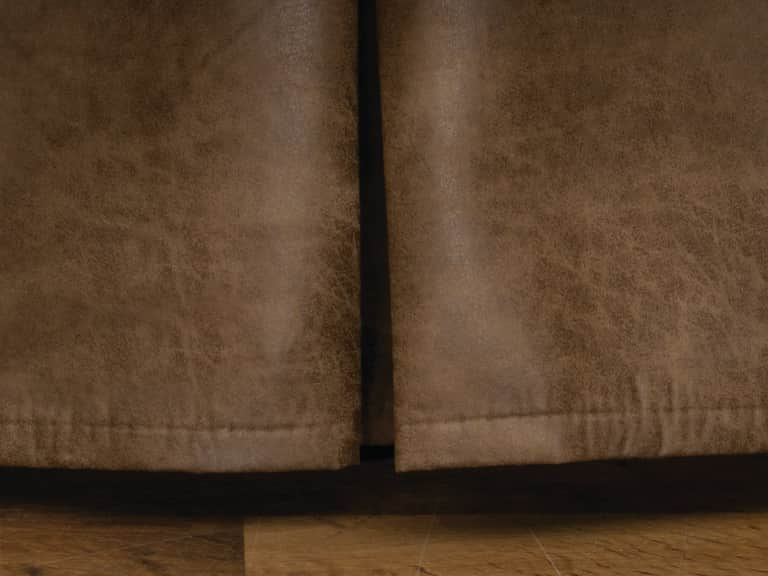
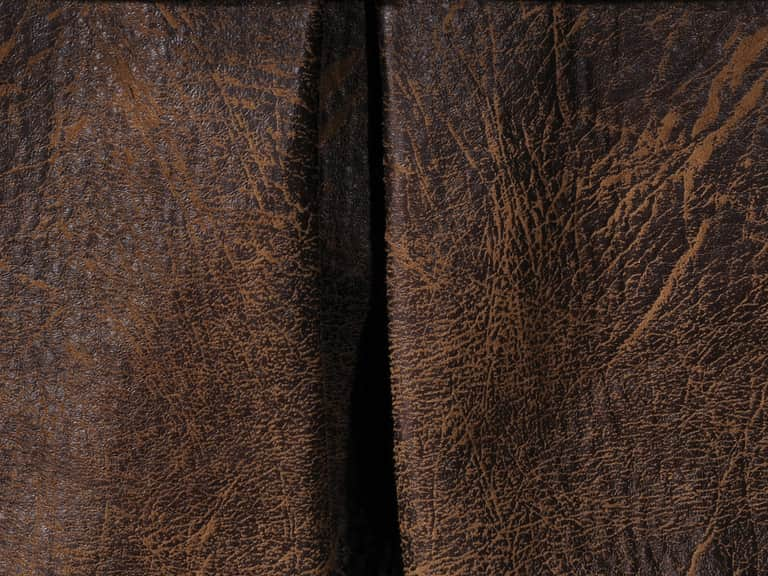
It is also worth separating decorative bedding from sleep layers. A bed skirt, for instance, can create a finished silhouette and conceal the space under the bed, but it is not a warmth layer in the way a bedcover or blanket is. For a coordinated bedroom, the Gallop Claret Bed Skirt brings a plush chenille texture and a deep crimson tone to the bed’s lower edge. Its role is primarily visual and practical, rather than thermal. That distinction illustrates a broader point: not every textile on a bed needs to contribute directly to sleep comfort.
Common assumptions worth reconsidering
“A heavier cover is always warmer.” Not necessarily. Weight is only one clue. Fiber, weave, filling, loft, and trapped air all affect insulation. A lighter cover may work well in layers, while a dense fabric may feel substantial without providing the warmth you expect.
“Natural fibers are automatically cool.” Natural fibers can be breathable, but their performance depends on how they are spun, woven, finished, and layered. A thick cotton quilt can be warmer than a thin synthetic sheet. The label identifies a material family, not the whole experience.
“One cover should work all year.” A versatile cover can be used in different seasons, but the rest of the bed may need to change. The same layer might sit over a sheet in summer and over a warmer insert in winter. Its usefulness depends on the flexibility of the whole setup.
“A cooling claim guarantees a cooler night.” Marketing language may refer to a particular construction or sensation, but the bedroom’s heat, the other bedding layers, and individual physiology remain important. Look for specific details—fiber content, weave, weight, and care—rather than relying on a single promise.
“Thread count tells the whole story.” It does not. It is one measurement among many and cannot, by itself, predict breathability, durability, or comfort. A balanced assessment considers the yarn, weave, finish, and how the fabric will be used.
The bedroom as a climate, not a catalogue
Sleep comfort is shaped by more than bedding. Light, noise, humidity, ventilation, and the temperature of the room all contribute to the conditions in which a person sleeps. A carefully chosen cover can help manage the bed’s immediate feel, but it cannot correct every environmental problem. If a bedroom remains hot, airflow and cooling may matter more than moving from one fabric to another. If the room is chilly, adjusting the heating or improving the window seal may be more effective than piling on layers.
Still, bedding offers a practical point of control. It is close to the body, easy to adjust, and often the source of a small but persistent discomfort. A cover that feels too warm can be replaced with a lighter layer; an overly crisp surface can be softened by a different weave or laundering routine; a bed that seems unfinished may need a useful middle layer rather than a decorative one. Those adjustments are modest, but sleep comfort is often built from modest decisions.
Seasonal bedding does not have to follow a rigid schedule. The first cool evening in autumn may arrive weeks before the heating comes on; a warm spell may return in spring after the winter duvet has been stored. Keep the layers that serve you well, rotate them as conditions change, and pay attention to the nights rather than the month printed on the calendar.
A better cover is the one that fits your night
The most useful bed cover is not necessarily the most expensive, the heaviest, or the one described in the most persuasive language. It is the one whose weight, weave, and texture work with your room and your habits. A breathable percale layer may suit someone who values a crisp surface; a soft sateen may appeal to a sleeper who prefers smoothness; a waffle cover may provide texture and modest coverage; linen or muslin may offer a more relaxed, airy feel. Each is a possibility, not a prescription.
Begin with the conditions you can observe: the temperature of the bedroom, the warmth of the existing bedding, and the way you feel when you wake. Choose a layer that can be adjusted, read the care instructions, and allow the fabric to reveal itself over time. The right arrangement may change with the season, the weather, or simply a different preference. A bed is not a fixed composition. It is a small, adaptable landscape, and its best cover is the one that makes it easier to settle into the night.